DMA 20 · Short-film production
Editing and Pacing
How long does the audience need to see what changed?
Analog. On your thumbnail sheet, circle a cut and jot how long you think the audience needs to read the shot before it. Optional thumbnail templates
Give each shot a job
The setup shows what matters. The action changes something. The final shot lets the audience register the reaction or result. Play both cuts and watch how long each one gives you to notice the change.
Give the last shot more time
Move the Final shot hold slider. Both cuts stay five seconds long, so adding frames to the last shot takes the same number from the setup. The action keeps its 48 frames. How does the rhythm change?
Check what each cut reveals
A cut controls when the audience learns something. A hold gives them time to read it. Check the cut by playing at speed, then step around the boundary to see which frame starts the next shot.
| Shot | Frame range | Length |
|---|---|---|
| Setup | 1–48 | 48 frames |
| Action | 49–96 | 48 frames |
| Reaction or result | 97–120 | 24 frames |
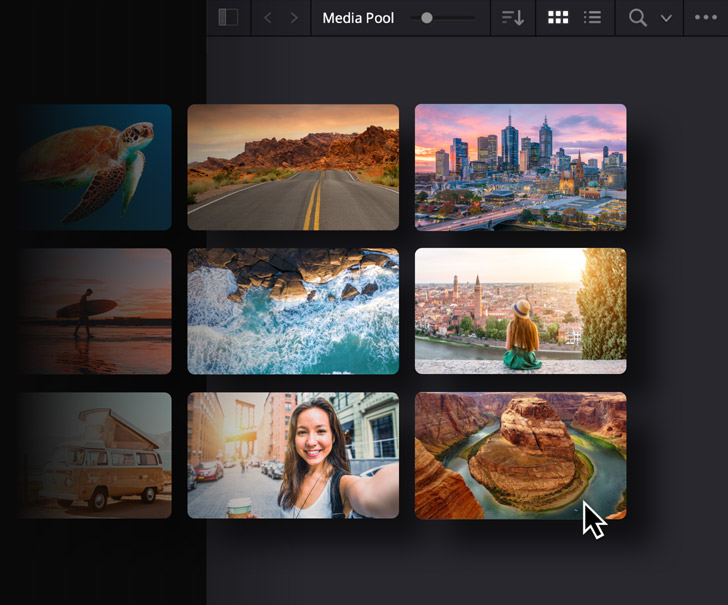
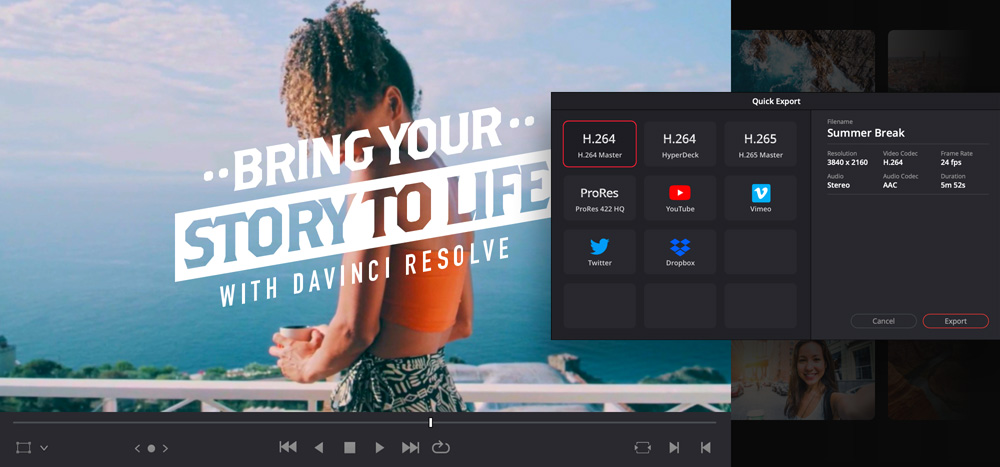
DaVinci Resolve editing and export references · Export a smaller video for review
 View full size
 View full size
History · How cuts create a rhythm
In the Soviet film Man with a Movie Camera (1929), editor Yelizaveta Svilova and director Dziga Vertov built rhythms from images of everyday life. The cut’s effect depends on which shot follows and how long it stays on screen. In the lamp lab, keep the total runtime fixed and adjust the last hold. Notice how that changes the emphasis. BFI · Man with a Movie Camera
Compare two cuts
Reference
Your Try
Try it in your project
- Rough. Screen the rough cut for a classmate. Ask them what changed and when they noticed it. Try one revision to a hold or cut.
- Finalize. Screen the revision again. Keep the cut that gives the audience the time you intended, and record the choice before cleanup.
After cleanup, play the exported film in a separate player and check the picture and any sound. Use Canvas for delivery instructions.